The Algarve has become one of the most popular places in Europe for people looking to enjoy a better lifestyle. With its warm climate, beautiful coastline and relaxed atmosphere, the region attracts retirees, remote workers, families and property buyers from around the world.
But what is it actually like living in the Algarve?
While the region is often associated with holidays and tourism, everyday life here can be very different from what many visitors experience during a short stay.
Living in the Algarve means becoming part of a region where traditional Portuguese culture blends with an international community and a lifestyle focused on outdoor living.
From small fishing villages to vibrant coastal towns, the Algarve offers a wide variety of places to live depending on the lifestyle you are looking for.
If you are considering moving to southern Portugal or simply exploring what life might be like here, understanding the daily reality of living in the Algarve is an important first step.
Why People Choose to Live in the Algarve
The Algarve has long been one of Portugal’s most desirable regions, and it is easy to see why so many people decide to make it their home.
The combination of climate, natural beauty and lifestyle makes the region attractive to people from many different backgrounds.
Climate and Weather
One of the biggest advantages of living in the Algarve is the climate.
The region enjoys more than 300 days of sunshine each year, making it one of the sunniest places in Europe.
Summers are warm and dry while winters are generally mild compared with much of northern Europe.
This climate allows residents to spend much more time outdoors, whether enjoying the beaches, walking along coastal paths or relaxing at outdoor cafés.
Beautiful Natural Landscapes
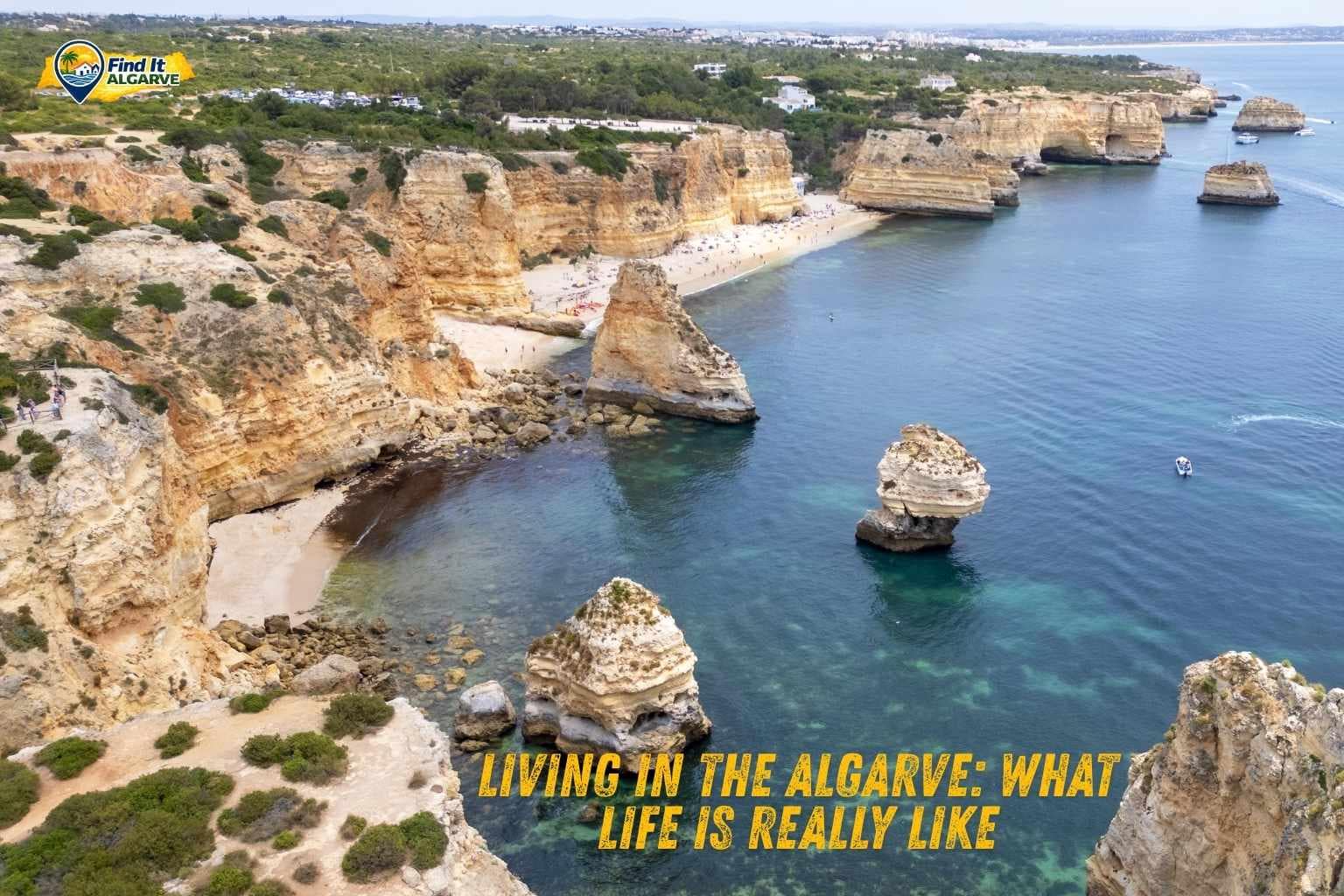
The Algarve coastline stretches for more than 150 kilometres and includes dramatic cliffs, hidden coves and long sandy beaches.
Beyond the coast, the region also offers rolling countryside, traditional villages and nature parks.
The Ria Formosa Natural Park in the eastern Algarve is one of the most unique ecosystems in Portugal, with lagoons, barrier islands and abundant wildlife.
In the western Algarve, rugged cliffs and Atlantic views create some of the most spectacular coastal scenery in southern Europe.
Relaxed Lifestyle
Life in the Algarve tends to move at a slower pace than in many large European cities.
Residents often describe the lifestyle as relaxed and community-focused.
Outdoor dining, local markets and social gatherings are an important part of everyday life.
Many people find that the Algarve allows them to enjoy a healthier balance between work and leisure.
Daily Life in the Algarve
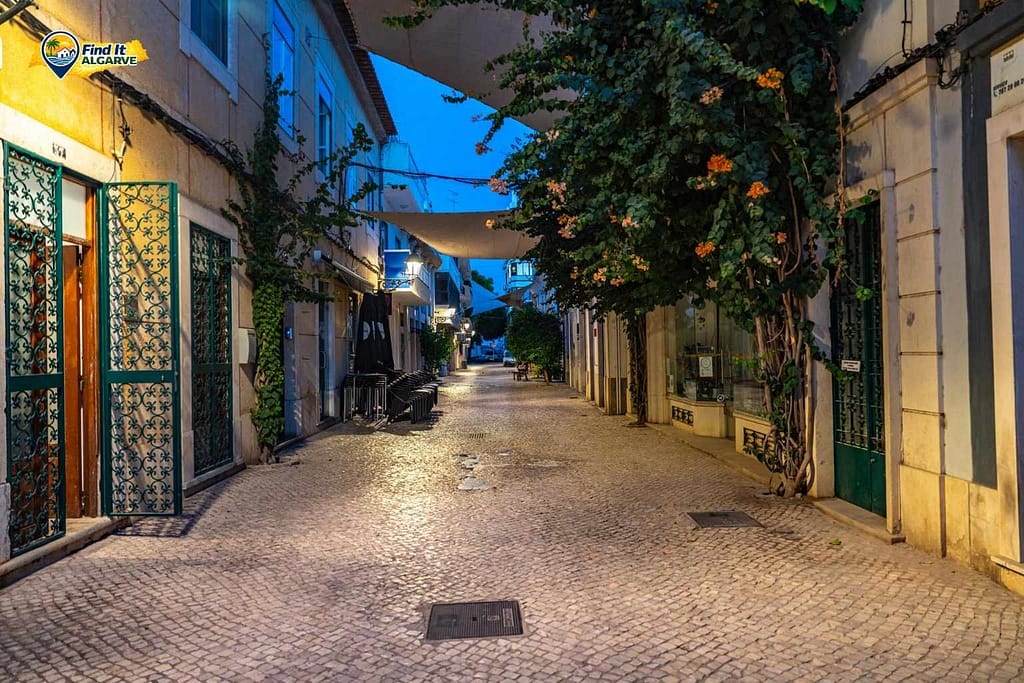
Daily life in the Algarve can vary depending on where you live, but certain aspects of the region’s lifestyle are shared across most towns and villages.
Morning routines often start with a walk along the beach, a coffee at a local café or a visit to the local market.
Many towns have traditional bakeries and small cafés where residents gather for breakfast and conversation.
During the day, people go about their work, errands or outdoor activities.
Because the region enjoys so much sunshine, many residents spend a large part of their day outside.
Evenings are often social and relaxed.
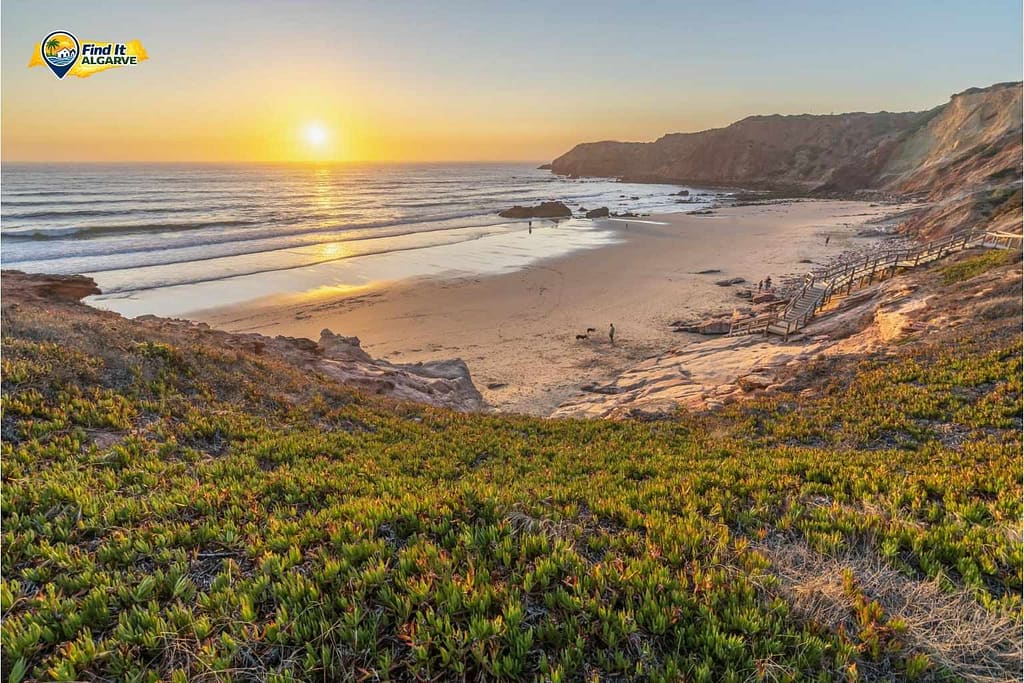
Restaurants and cafés fill with people enjoying dinner with friends or family while watching the sunset over the Atlantic.
This slower rhythm of life is one of the main reasons many people choose to live in the Algarve.
Cost of Living Overview
The cost of living in the Algarve can vary depending on lifestyle and location.
Some areas, particularly popular coastal resorts, can be more expensive than smaller towns or inland villages.
However, compared with many northern European countries, the Algarve can still offer a relatively affordable lifestyle.
Housing, groceries and dining out can often be more affordable than in cities such as London, Amsterdam or Paris.
If you want to explore this topic in more detail, you can read our full guide to Cost of Living in the Algarve.
Healthcare and Medical Services in the Algarve
One of the most important questions for anyone considering living in the Algarve is how healthcare works. Portugal has a well-regarded healthcare system and residents in the Algarve have access to both public and private medical services.
The Portuguese public healthcare system is known as the Serviço Nacional de Saúde (SNS). Residents who are registered in Portugal can access this system and receive medical care at a relatively low cost.
Public hospitals and health centres are located across the Algarve in towns such as Faro, Portimão and Lagos. These facilities provide a wide range of medical services including emergency care, specialist appointments and routine medical consultations.
Many expats living in the Algarve also choose to use private healthcare. Private clinics and hospitals are widely available and typically offer shorter waiting times and English-speaking doctors.
Private health insurance in Portugal is generally more affordable than in many other European countries. Because of this, many residents combine public healthcare with private insurance for additional flexibility.
For most people relocating to the Algarve, access to quality healthcare is one of the reasons they feel comfortable making the move.
Working in the Algarve
While the Algarve has traditionally been known as a retirement destination, the region is increasingly attracting remote workers, entrepreneurs and professionals who want to combine work with a high quality of life.
Remote Work and Digital Nomads
The growth of remote work has made the Algarve particularly appealing to professionals who can work from anywhere. With reliable internet infrastructure, international communities and a pleasant climate, the region has become popular with digital nomads and remote workers.
Towns such as Lagos, Faro and Tavira have developed growing communities of remote professionals who enjoy working from cafés, coworking spaces or home offices while benefiting from the Algarve lifestyle.
Local Employment
The Algarve economy is strongly connected to tourism, hospitality and real estate. Many jobs in the region are related to hotels, restaurants, property services and tourism activities.
For those looking to work locally, knowledge of Portuguese can be helpful, although English is widely spoken in many tourism-related roles.
Seasonal employment is also common, particularly during the summer months when visitor numbers increase significantly.
Some residents also choose to run their own businesses, particularly in areas such as property services, hospitality, online businesses or tourism activities.
Community and Expat Life
The Algarve has one of the largest international communities in Portugal. Over the years, people from many different countries have chosen to settle in the region, creating a welcoming and diverse environment.
British, Dutch, German, French and Scandinavian residents are particularly common in many Algarve towns.
This international presence means that newcomers often find it easy to settle into life in the Algarve.
Social groups, community events and international clubs exist across the region, helping residents build connections and friendships.
At the same time, the Algarve still maintains a strong Portuguese identity. Local traditions, markets and festivals continue to play an important role in community life.
Many expats enjoy the balance between international communities and authentic Portuguese culture.
Safety and Quality of Life
Portugal consistently ranks among the safest countries in the world, and the Algarve is widely regarded as one of the safest regions in the country.
Crime rates are relatively low and many towns maintain a relaxed and friendly atmosphere.
This sense of safety contributes strongly to the region’s high quality of life.
Families, retirees and individuals often feel comfortable walking through towns or along the beach even during the evening.
The welcoming nature of Portuguese communities also makes it easier for newcomers to feel at home.
Infrastructure and Accessibility
The Algarve offers modern infrastructure that supports both residents and visitors.
Faro Airport provides direct connections to many European cities, making international travel relatively easy.
The region also has a well-developed road network, including the A22 motorway which runs across the Algarve from west to east.
Public transport options include trains and buses that connect many of the main towns along the coast.
While public transport is available, many residents choose to own a car because it makes exploring the region much easier.
Supermarkets, shopping centres, schools and medical facilities are widely available throughout the Algarve.
This combination of modern services and natural beauty is one of the reasons the region continues to attract new residents each year.
Climate and Outdoor Lifestyle
The Algarve climate encourages an outdoor lifestyle that many people find very appealing.
Residents often spend time walking along the coast, enjoying beach days, cycling through countryside routes or participating in outdoor sports such as golf, surfing and hiking.
The region has become one of Europe’s leading golf destinations, with dozens of courses located across the Algarve.
Nature lovers also appreciate the many coastal paths, nature parks and countryside areas that provide opportunities for exploring the landscape.
Even during the winter months, the Algarve climate often allows residents to continue enjoying outdoor activities.
This outdoor focus is a key part of what makes living in the Algarve so appealing for many people.
Pros and Cons of Living in the Algarve
Like any place in the world, living in the Algarve comes with both advantages and potential challenges. Understanding both sides can help you decide whether the region is the right place for your lifestyle.
Advantages of Living in the Algarve
- Warm climate with more than 300 days of sunshine each year
- Beautiful coastline with some of Europe’s best beaches
- Relaxed lifestyle focused on outdoor living
- Friendly communities and welcoming culture
- Strong international expat presence
- Relatively affordable cost of living compared with many northern European countries
Many residents feel that the Algarve offers a much better work-life balance compared with larger cities in northern Europe.
The ability to spend time outdoors throughout the year is one of the biggest benefits of living in southern Portugal.
Potential Drawbacks
- Some areas become busy during the summer tourist season
- Seasonal employment in certain industries
- Public transport can be limited in smaller towns
- Learning Portuguese can be important for some services
Despite these small challenges, most residents feel that the advantages of living in the Algarve far outweigh the disadvantages.
Best Areas to Live in the Algarve
The Algarve offers a wide variety of towns and environments depending on the lifestyle you are looking for.
Some people prefer lively coastal towns while others are drawn to quieter villages or countryside areas.
The region can broadly be divided into three main areas.
Western Algarve
The western Algarve is known for its dramatic cliffs, rugged coastline and strong surfing culture.
Towns such as Lagos and Sagres attract people who enjoy outdoor activities and a slightly more adventurous coastal lifestyle.
You can explore this region in our guide to the best towns in the western Algarve.
Central Algarve
The central Algarve is the most developed part of the region and offers excellent infrastructure, golf resorts and international communities.
Popular towns include Vilamoura, Faro, Albufeira and Loulé.
This area is particularly attractive to people who want convenient services, strong transport links and access to international schools and healthcare.
Learn more in our guide to the best towns in the central Algarve.
Eastern Algarve
The eastern Algarve offers a quieter and more traditional atmosphere.
Towns such as Tavira and Olhão are known for their historic charm, fishing traditions and peaceful surroundings.
The coastline here is shaped by the lagoons and barrier islands of the Ria Formosa Natural Park.
You can explore this region in our guide to the best towns in the eastern Algarve.
Each area of the Algarve offers a slightly different lifestyle, so spending time exploring the region can help you decide which location suits you best.
Who the Algarve Is Best For
The Algarve attracts people from many different backgrounds, but certain groups tend to find the region particularly appealing.
- Retirees looking for a warm climate and relaxed lifestyle
- Remote workers seeking a better work-life balance
- Families wanting a safe environment and outdoor lifestyle
- Property buyers searching for holiday homes or investment opportunities
The region’s combination of natural beauty, good infrastructure and welcoming communities makes it suitable for many different lifestyles.
FAQs
Is the Algarve a good place to live?
Yes, the Algarve is widely considered one of the best places to live in Portugal. The region offers a warm climate, beautiful coastline, safe communities and a relaxed lifestyle. Many expats choose the Algarve because it provides a high quality of life with access to beaches, nature and modern services.
What is the lifestyle like in the Algarve?
The lifestyle in the Algarve is generally relaxed and focused on outdoor living. Residents spend time enjoying the beaches, cafés, markets and nature. The warm climate allows people to spend much of the year outdoors, which contributes to the region’s laid-back atmosphere.
Can foreigners live in the Algarve?
Yes, foreigners can live in the Algarve. Many international residents from countries such as the United Kingdom, Germany and the Netherlands have moved to the region. Portugal offers visa options for people who want to relocate, retire or work remotely.
Is the Algarve expensive to live in?
The cost of living in the Algarve can vary depending on the town and lifestyle. Some popular coastal areas can be more expensive, but overall the Algarve can still be more affordable than many northern European countries. Smaller towns and inland areas often offer lower living costs.
Do you need to speak Portuguese to live in the Algarve?
It is possible to live in the Algarve without speaking Portuguese, especially in areas with large international communities. English is widely spoken in many services, restaurants and businesses. However, learning basic Portuguese can help with integration and everyday life.
Is the Algarve safe to live in?
Portugal is considered one of the safest countries in the world, and the Algarve is generally a very safe region to live in. Crime rates are relatively low and many towns have a peaceful and welcoming atmosphere.
A Good Starting Point
Living in the Algarve offers a unique combination of climate, lifestyle and natural beauty that attracts people from around the world.
From traditional towns and fishing villages to lively coastal resorts and countryside retreats, the region provides many different living environments.
A good starting point when considering life in the Algarve is to spend time exploring several towns and areas to understand the differences between them.
Some people prefer the vibrant coastal towns of the central Algarve, while others are drawn to the quieter charm of the eastern Algarve or the rugged landscapes of the west.
By exploring the region and understanding the lifestyle each area offers, it becomes much easier to decide whether the Algarve might be the right place for your future home.