
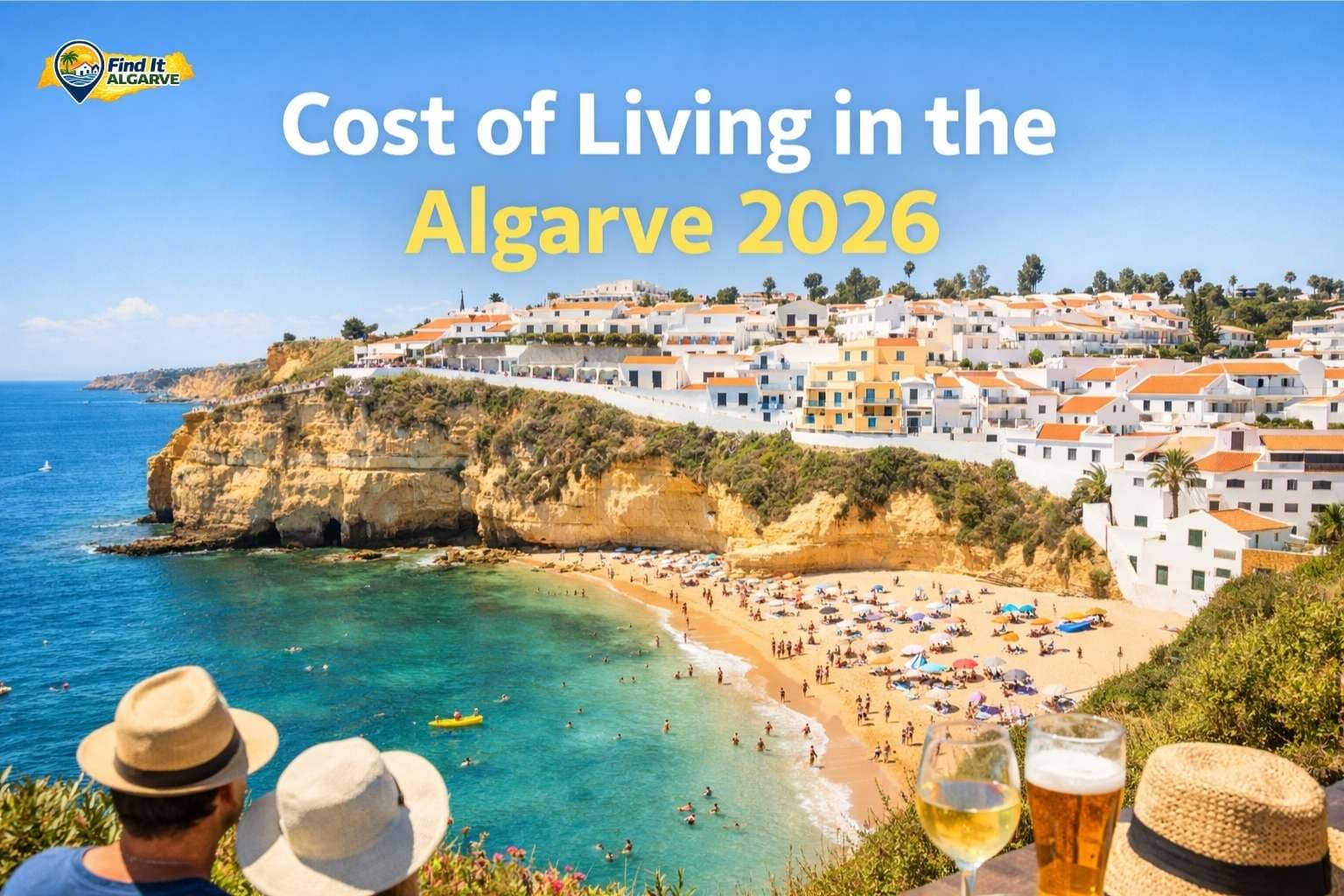
The cost of living in the Algarve is one of the main reasons people choose to move to southern Portugal. Compared with many northern European countries, the region offers a more affordable lifestyle while still providing a high quality of life, modern infrastructure and access to some of the most beautiful coastline in Europe.
However, the Algarve is not as cheap as it once was. Over the past decade, increasing demand from international buyers, tourism and relocation trends has pushed prices higher, especially in popular coastal towns. This means that while the Algarve can still be more affordable than many parts of Europe, understanding the real cost of living is essential before making a move.
This guide breaks down the cost of living in the Algarve in detail, covering housing, food, utilities, healthcare, transport and everyday expenses. Whether you are planning to relocate, retire or simply spend more time in the region, this article will give you a realistic picture of what to expect.
For a full overview of the relocation process, you can also read our guide to moving to the Algarve, which explains how financial planning fits into the bigger picture.
Is the Algarve Expensive to Live In?
The Algarve sits somewhere in the middle when it comes to European living costs. It is generally more affordable than countries like the United Kingdom, France or Germany, but more expensive than some parts of Eastern Europe.
The key factor is lifestyle. Some people live comfortably on a modest budget, while others spend significantly more depending on housing choices, dining habits and location.
As a general guide:
- Single person: €1,200 – €2,000 per month
- Couple: €1,800 – €3,000 per month
- Family: €2,500+ depending on lifestyle
These figures are averages and can vary widely. Living in a smaller inland town will usually be cheaper than living in a popular coastal location such as Lagos or Vilamoura.
The Algarve lifestyle itself also influences spending. Many activities such as beach walks, hiking and outdoor socialising are free or low-cost, which helps balance overall expenses.
Housing Costs in the Algarve
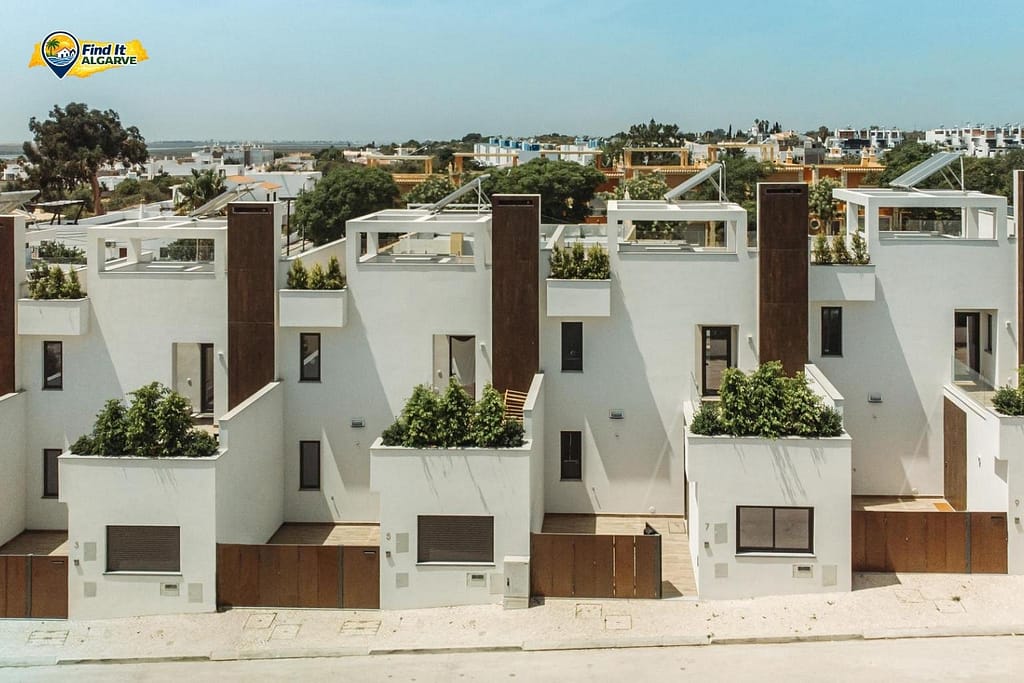
Housing is by far the biggest expense for most people living in the Algarve. Prices vary depending on location, property type and proximity to the coast.
Renting Property
Rental prices have increased in recent years, particularly in areas with strong tourism and expat demand.
- 1-bedroom apartment: €700 – €1,200 per month
- 2-bedroom apartment: €900 – €1,500 per month
- Villa: €1,500+ per month
Coastal towns and resort areas are the most expensive. Inland villages and less tourist-focused areas are usually more affordable.
Many people relocating to the region begin by renting before deciding whether to buy property. This allows time to explore different areas and understand where they want to live long term.
If you are considering buying, our guide to property for sale in the Algarve explains the market in more detail.
Buying Property
The Algarve property market has grown steadily, with increasing interest from international buyers.
- Apartments: from €150,000+
- Townhouses: €250,000+
- Villas: €400,000 to €1M+
Prices are highest in central Algarve locations such as Vilamoura and Albufeira. Eastern Algarve areas can offer better value, while western Algarve prices vary depending on proximity to the coast.
Property ownership is a key part of long-term planning for many expats, especially those looking to settle permanently in the region.
Food and Grocery Costs
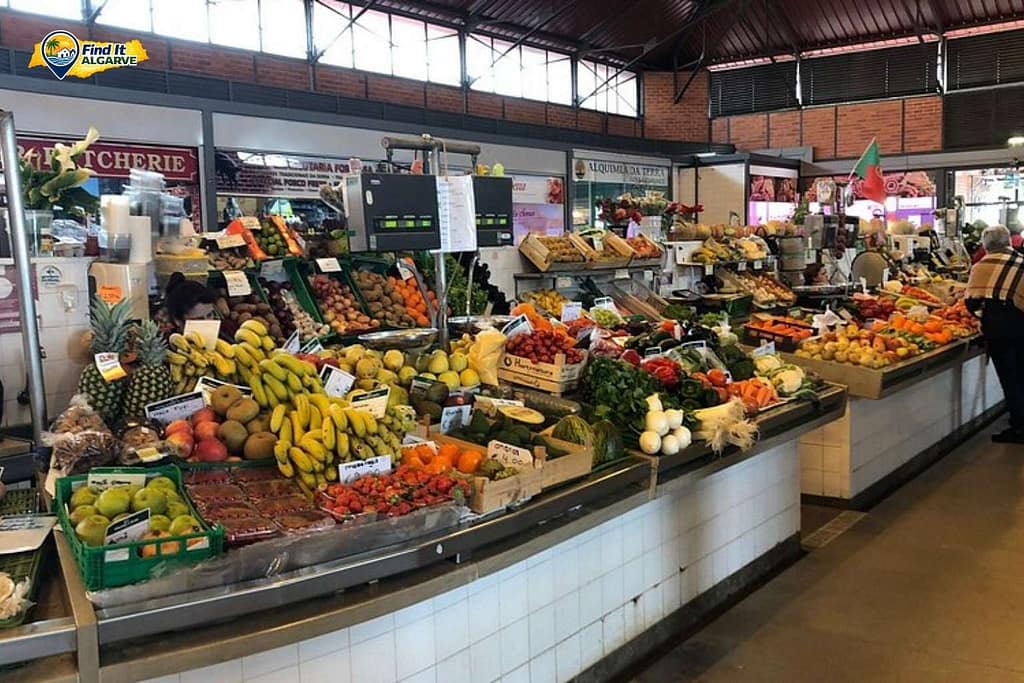
Food is one of the areas where the Algarve can offer excellent value compared with northern Europe. Fresh produce is widely available, and local markets are an important part of everyday life.
- Weekly groceries (couple): €70 – €120
- Meal at local restaurant: €10 – €15
- Meal at mid-range restaurant: €15 – €25
Traditional Portuguese restaurants are often the most affordable, offering simple, high-quality meals at reasonable prices.
Food culture is also a central part of the Algarve lifestyle, with many residents enjoying regular meals out and social dining.
Utilities and Household Bills
Utility costs in the Algarve are generally similar to other European countries, although electricity can be slightly higher due to air conditioning use in summer.
- Electricity: €60 – €150 per month
- Water: €20 – €40 per month
- Internet: €30 – €50 per month
Energy costs depend heavily on property size, insulation and usage patterns. Older properties may have higher heating costs during winter.
Healthcare Costs in the Algarve
Healthcare is an important part of the cost of living in the Algarve, and one of the areas where Portugal performs well compared with many other countries. The country offers a combination of public and private healthcare systems, allowing residents to choose the level of service and cost that suits their needs.
For many expats, healthcare in the Algarve is both more affordable and more accessible than in their home country, especially when using a mix of public services and private insurance.
Public Healthcare
Portugal’s public healthcare system, known as the Serviço Nacional de Saúde (SNS), provides medical services to residents at a relatively low cost.
Once registered as a resident, individuals can access local health centres and hospitals. Consultations and treatments are either free or require a small fee.
While the system is generally reliable, waiting times can vary depending on the type of treatment. For routine care and general medical needs, it is often sufficient for many residents.
Private Healthcare
Many expats choose to use private healthcare alongside the public system. Private clinics and hospitals are widely available across the Algarve, particularly in larger towns such as Faro, Portimão and Lagos.
- Private health insurance: €40 – €100 per month
- Doctor consultation: €50 – €100
- Specialist consultation: €80 – €150
Private healthcare offers shorter waiting times and access to English-speaking doctors, which can be an important factor for international residents.
Healthcare access and quality are also discussed in more detail in our guide to living in the Algarve, where we look at daily life and essential services.
Transport Costs in the Algarve
Transport costs in the Algarve depend largely on whether you own a car. While public transport is available, many residents choose to drive because it offers more flexibility, especially in smaller towns and rural areas.
Car Ownership
Owning a car is common in the Algarve and often necessary for convenient travel.
- Fuel: €1.60 – €1.90 per litre
- Car insurance: €200 – €500 per year
- Annual maintenance: varies depending on vehicle
The Algarve has a well-maintained road network, including the A22 motorway, which runs from west to east across the region.
Driving makes it easy to explore beaches, countryside areas and smaller towns that may not be well connected by public transport.
Public Transport
The Algarve offers both train and bus services linking major towns such as Lagos, Portimão, Albufeira, Faro and Tavira.
- Train tickets: €5 – €15
- Bus fares: €2 – €10
While public transport is affordable, it can be less frequent in certain areas. For this reason, many residents prefer the convenience of a car.
Eating Out and Social Life Costs
One of the advantages of living in the Algarve is that social life can be relatively affordable compared with many other European destinations.
Eating out is a regular part of life for many residents, particularly in local Portuguese restaurants where prices remain reasonable.
- Coffee: €1 – €2
- Beer: €2 – €4
- Glass of wine: €3 – €6
- Meal at local restaurant: €10 – €15
This affordability contributes to the overall Algarve lifestyle, where socialising often takes place outdoors in cafés, restaurants and public spaces.
Many of the best experiences in the Algarve, such as beaches, walking routes and scenic viewpoints, are free. This helps keep overall living costs lower while still enjoying a high quality of life.
Cost of Living Differences by Area
The cost of living in the Algarve varies significantly depending on location. Choosing where to live can have a major impact on your monthly expenses.
Central Algarve
The central Algarve is the most developed and generally the most expensive part of the region.
Towns such as Vilamoura, Albufeira and Faro offer modern infrastructure, international schools and strong expat communities. However, these benefits come with higher housing and living costs.
Western Algarve
The western Algarve offers a mix of pricing depending on the town and proximity to the coast.
Lagos is a popular destination for expats and digital nomads, which has pushed prices higher in recent years. However, surrounding areas can still offer better value.
Eastern Algarve
The eastern Algarve is often the most affordable part of the region.
Towns such as Tavira and Olhão offer a more traditional Portuguese lifestyle and generally lower housing costs compared with central Algarve locations.
If you are still deciding where to live, our guide to the best places to live in the Algarve compares different areas in detail.
Entertainment and Lifestyle Costs
The Algarve offers a wide range of activities, many of which are low-cost or free. This is one of the reasons why the overall cost of living can feel lower than expected.
Popular activities include:
- Beach days and swimming
- Hiking along coastal paths
- Exploring towns and markets
- Outdoor sports such as golf and surfing
Some activities, such as golf or water sports, can be more expensive, but they are optional and depend on personal interests.
Overall, the region allows people to enjoy a high quality of life without needing to spend heavily on entertainment.
Schooling and Family Costs
For families moving to the Algarve, education can be a significant part of the overall cost of living.
Public schools in Portugal are free, but they are taught in Portuguese, which may not suit all international families.
International schools are widely available in the central Algarve but come with higher costs.
- International school fees: €500 – €1,000+ per month
This is an important factor for families to consider when planning their budget.
Comparing Algarve Costs to Other Countries
Compared with many countries in northern Europe, the Algarve can offer a more affordable way of life.
Housing, food and dining out are generally cheaper than in the UK or Germany, while healthcare is often more accessible and less expensive.
However, imported goods, fuel and some services can be similar in price to other European countries.
The key advantage of the Algarve is not just cost, but value. Many people feel that the quality of life they gain outweighs the expenses involved.
How to Reduce Your Cost of Living in the Algarve
While the Algarve can be more affordable than many parts of Europe, costs can still vary significantly depending on your choices. The good news is that there are several practical ways to reduce your cost of living without sacrificing quality of life.
Many long-term residents adjust their lifestyle slightly and find they can live comfortably while keeping expenses under control.
Choose Location Carefully
One of the biggest factors affecting your monthly costs is where you choose to live. Coastal towns and popular expat areas tend to have higher rental and property prices.
Living slightly inland or choosing smaller towns can reduce housing costs significantly while still allowing easy access to beaches and larger towns.
Even moving just 10–15 minutes away from major tourist areas can make a noticeable difference in rent and daily expenses.
Shop Like a Local
Shopping habits can also have a big impact on your budget.
Local markets often offer fresh fruit, vegetables and fish at lower prices than supermarkets. Portuguese grocery stores can also be more affordable than international chains.
Many residents combine supermarket shopping with local markets to get the best balance of price and quality.
Limit High-Cost Lifestyle Choices
The Algarve offers many free or low-cost activities, such as beaches, walking trails and outdoor social spaces. Taking advantage of these can significantly reduce entertainment expenses.
Dining out frequently in high-end restaurants or living in luxury resort areas will increase costs, but this is a choice rather than a necessity.
The region allows you to enjoy a high quality of life without needing to spend heavily.
Use Public Healthcare Where Possible
While private healthcare is widely used by expats, the public system can cover many basic needs at a lower cost.
Combining public healthcare with occasional private services is a common approach that helps keep medical expenses manageable.
Realistic Monthly Budget Examples
To better understand the cost of living in the Algarve, it helps to look at realistic monthly budgets based on different lifestyles.
Budget Lifestyle
- Rent (small apartment inland): €600
- Groceries: €250
- Utilities: €100
- Transport: €100
- Entertainment: €100
Total: ~€1,150 per month
This lifestyle is achievable for individuals who live outside major tourist areas and maintain simple spending habits.
Mid-Range Lifestyle
- Rent (coastal apartment): €1,000
- Groceries: €350
- Utilities: €150
- Transport: €200
- Dining and leisure: €300
Total: ~€2,000 per month
This is a typical lifestyle for many expats who want a balance between comfort and affordability.
Higher-End Lifestyle
- Rent (villa or prime location): €2,000+
- Groceries: €500
- Utilities: €250
- Transport: €300
- Dining and leisure: €600+
Total: €3,500+ per month
This lifestyle includes premium housing, frequent dining out and higher overall spending.
Hidden Costs to Consider
When planning your move to the Algarve, it is important to consider additional costs that may not be immediately obvious.
Property-Related Costs
If you buy property, you will need to account for:
- Property taxes
- Maintenance costs
- Condominium fees (for apartments)
These costs vary depending on property type and location.
Currency Exchange
If your income is in a different currency, exchange rate fluctuations can affect your monthly budget.
This is particularly relevant for people receiving income from outside the eurozone.
Seasonal Price Changes
Some costs, particularly in tourist areas, can increase during peak season.
Restaurants, rentals and services may be more expensive in summer months compared with winter.
Is the Algarve Worth the Cost?
For many people, the question is not just about how much the Algarve costs, but whether it offers good value.
While some expenses, particularly housing, have increased, the overall quality of life remains one of the strongest reasons people choose to live in the region.
The combination of climate, outdoor lifestyle and relaxed pace of life is difficult to match in many other parts of Europe.
Many expats find that even if they spend a similar amount to what they did in their home country, their day-to-day experience feels significantly better.
This is closely linked to the wider Algarve lifestyle, which prioritises outdoor living, social interaction and time spent enjoying the environment.
How Cost of Living Fits Into Relocation Planning
Understanding the cost of living is one of the most important steps when planning a move to the Algarve.
It affects decisions about where to live, whether to rent or buy and how to structure your daily life.
If you are still in the early stages of planning, our guide to moving to the Algarve explains the full relocation process, including financial preparation and practical steps.
Cost of living also connects closely to location choice, which is why it is important to compare different towns before making a decision.
Our guide to the best places to live in the Algarve can help you understand how lifestyle and cost vary across the region.#
FAQs
Is the Algarve expensive to live in?
The Algarve is generally more affordable than many northern European countries, but it is no longer considered very cheap. Housing costs in popular coastal areas can be high, while everyday expenses such as food and dining out remain relatively affordable.
How much money do you need to live in the Algarve?
The amount of money needed depends on lifestyle and location. A single person may live on €1,200 to €2,000 per month, while couples typically spend €1,800 to €3,000. Families may require €2,500 or more depending on housing and schooling.
Is rent expensive in the Algarve?
Rental prices vary depending on location. Coastal towns such as Lagos, Vilamoura and Albufeira tend to be more expensive, while inland areas are generally more affordable. A one-bedroom apartment typically ranges from €700 to €1,200 per month.
Is food expensive in the Algarve?
Food in the Algarve is relatively affordable compared with many European countries. Local markets and traditional Portuguese restaurants offer good value, making it possible to keep grocery and dining costs low.
Do you need a car in the Algarve?
While public transport is available, many residents choose to own a car for convenience. A car makes it easier to travel between towns, beaches and rural areas, especially where public transport is limited.
Is healthcare expensive in the Algarve?
Healthcare in the Algarve is generally affordable. Public healthcare is low-cost for residents, while private health insurance typically ranges from €40 to €100 per month and provides faster access to services.
Where is the cheapest place to live in the Algarve?
The eastern Algarve and inland areas are generally more affordable than central coastal locations. Towns such as Tavira and smaller villages often offer lower housing costs and a more traditional lifestyle.
Can you live cheaply in the Algarve?
Yes, it is possible to live relatively cheaply in the Algarve by choosing a less expensive location, shopping locally and maintaining a simple lifestyle. Many residents reduce costs by living slightly inland and avoiding high tourist areas.
A Sensible Place to Start
The cost of living in the Algarve depends on your lifestyle, housing choices and location. While prices have increased in recent years, the region still offers a strong balance between cost and quality of life.
For many people, the ability to enjoy sunshine, outdoor living and a more relaxed daily routine makes the Algarve a highly attractive place to live.
The best way to understand your own potential costs is to spend time in the region, explore different areas and consider how your lifestyle might change.
By taking a practical and realistic approach, you can plan a move that fits your budget while still enjoying everything the Algarve has to offer.