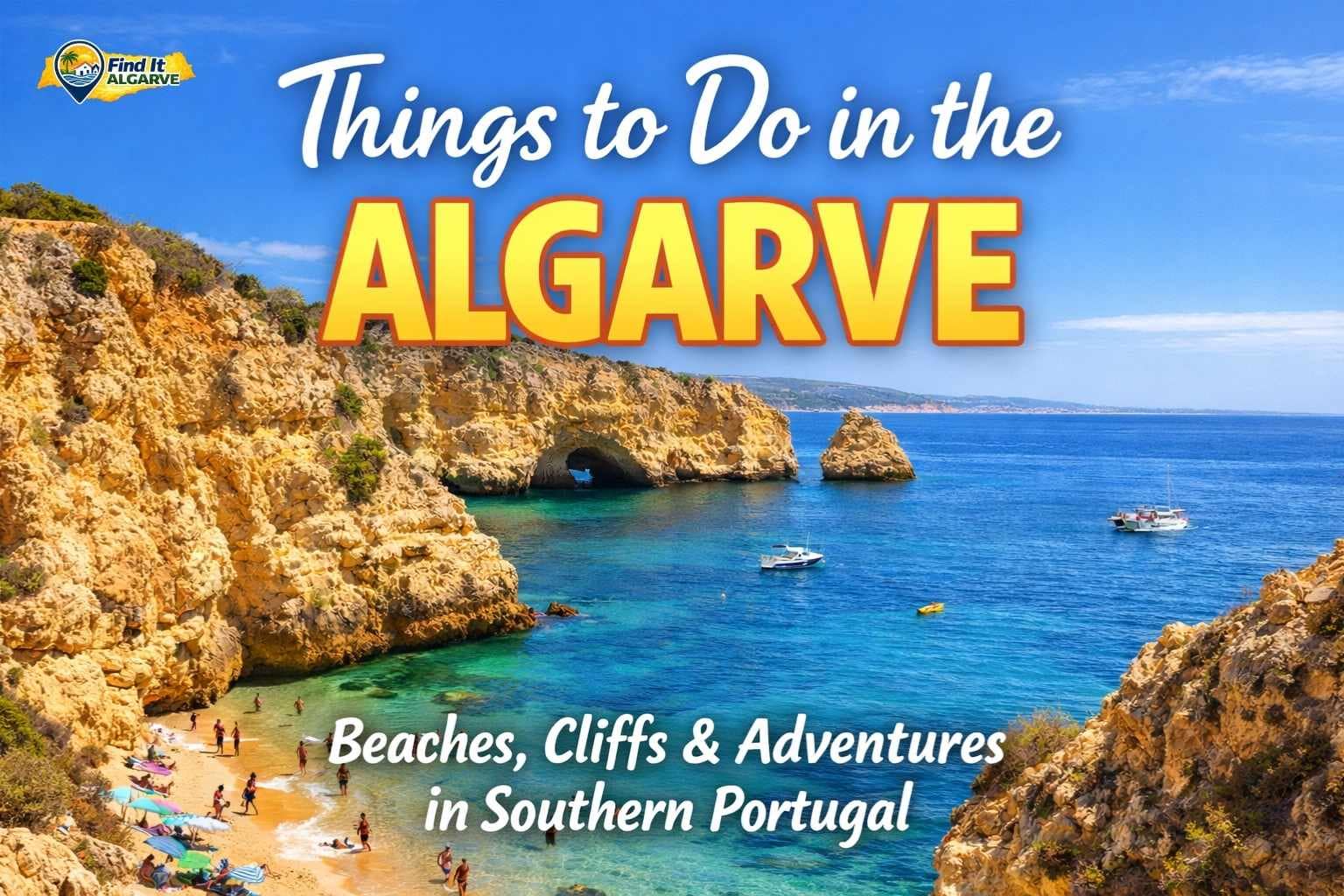
The Algarve is one of Europe’s most loved destinations, known for its sunshine, dramatic coastline, historic towns and relaxed way of life. Located in southern Portugal, the region attracts millions of visitors each year who come to experience everything from golden beaches and cliffside walks to lively marinas and traditional Portuguese villages.
When people start researching the Algarve, one of the first questions they ask is simple: what are the best things to do in the Algarve?
The answer is that the region offers far more than most people expect. While the Algarve is famous for its beaches, there are also historic towns to explore, outdoor adventures along rugged coastline, world-class golf courses, water parks, nature reserves and vibrant local culture.
Many visitors arrive for a holiday and quickly realise the Algarve offers a lifestyle that keeps drawing people back year after year. In fact, for many people it eventually becomes more than just a holiday destination. A growing number decide to make the move permanently after experiencing the region’s quality of life. If you are curious about what that experience is like day to day, you can read more in Living in the Algarve: What Life is Really Like.
Whether you are planning a short trip, considering spending longer in the region, or simply researching southern Portugal, this guide explores the many activities and experiences that make the Algarve such a special place.
Why the Algarve Is One of Europe’s Most Popular Destinations
The Algarve stretches along Portugal’s southern coast for around 155 kilometres, offering an incredible variety of landscapes and experiences.
In some areas you will find towering limestone cliffs that plunge into turquoise water. In others the coastline opens into wide sandy beaches that stretch for miles. Inland there are rolling hills, orange groves and traditional villages that feel completely untouched by tourism.
This diversity is one of the reasons the region continues to grow in popularity. Visitors can relax on beaches one day, explore historic towns the next, and finish the week hiking along coastal cliffs or sailing past sea caves.
The Algarve also benefits from one of the best climates in Europe. With more than 300 sunny days each year and mild winters, it is possible to enjoy outdoor activities almost all year round.
Because of this lifestyle, the region has also become a popular destination for people relocating from across Europe. Those considering the move often begin by researching practical topics such as visas, schools and housing. A helpful starting point for that journey is the guide on Moving to the Algarve: Complete Relocation Guide.
But even for those who never plan to relocate, the Algarve remains one of the most enjoyable regions in Europe to explore.
Exploring the Famous Algarve Coastline
No guide to things to do in the Algarve would be complete without starting with the coastline.
The Algarve’s beaches are widely considered some of the most beautiful in Europe. Dramatic rock formations, golden cliffs and crystal clear Atlantic water create landscapes that feel almost unreal.
Many beaches are hidden beneath towering cliffs and accessed by long wooden staircases. Reaching them often feels like discovering a secret place.
Others stretch for kilometres with soft sand and rolling waves, perfect for long walks and sunset views.
Some of the most famous beaches include:
- Praia da Marinha – often ranked among the most beautiful beaches in the world
- Praia do Camilo in Lagos with its iconic wooden staircase
- Praia da Falésia near Albufeira with its dramatic red cliffs
- Praia de Tavira on a barrier island with miles of untouched sand
Each section of the Algarve coastline offers a different character, which is why exploring multiple beaches is one of the most popular Algarve activities.
The western Algarve is known for its rugged cliffs and surf beaches, while the eastern Algarve features calmer waters and long sandy islands.
Boat Trips and Sea Caves
One of the most unforgettable experiences in the Algarve is exploring the coastline by boat.
From the water, the dramatic cliffs and hidden caves become even more impressive.
Boat tours run from many towns including Lagos, Portimão, Albufeira and Vilamoura. These trips often take visitors along sections of coastline filled with sea arches, grottoes and hidden coves.
The most famous of these is the Benagil sea cave, a natural dome carved into the cliffs with a circular opening in the roof that allows sunlight to pour into the cave.
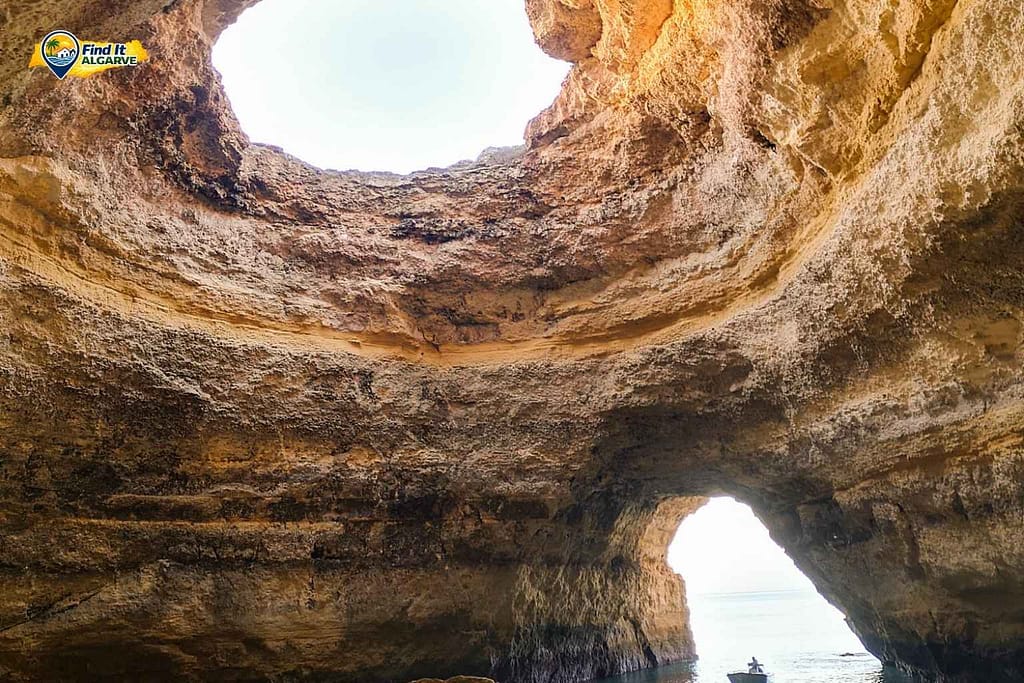
Visitors can reach the cave by boat, kayak or paddleboard, making it one of the most photographed locations in Portugal.
Dolphin watching tours are also popular and take visitors further offshore where pods of dolphins are often seen swimming alongside boats.
Sunset cruises are another favourite activity, offering views of the cliffs turning golden as the sun sinks into the Atlantic.
Discovering Algarve Towns
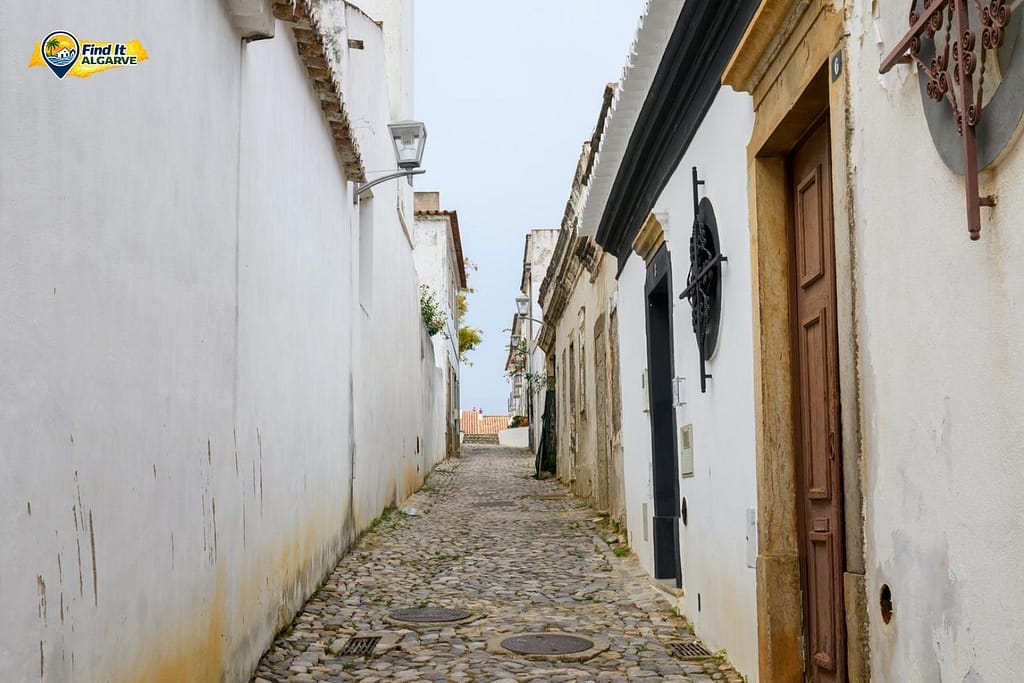
While the coastline receives much of the attention, the Algarve’s towns are equally worth exploring.
Each town offers its own atmosphere, shaped by centuries of history, maritime trade and local culture.
Faro, the capital of the Algarve, is often overlooked by travellers who fly into the airport and immediately head elsewhere. However the historic old town surrounded by ancient city walls offers charming streets, traditional restaurants and views over the Ria Formosa lagoon.
Lagos combines beautiful beaches with rich maritime history. It was once a key port during Portugal’s Age of Discovery and today its historic centre is filled with narrow streets, cafés and lively nightlife.
Tavira, located in the eastern Algarve, is often described as one of the most elegant towns in the region. With its Roman bridge, traditional architecture and relaxed atmosphere, it feels very different from the busier resort towns.
Albufeira is one of the Algarve’s best known destinations, famous for its beaches and vibrant nightlife district.
Those interested in exploring different towns and deciding which areas suit them best can also read the regional guides such as Best Towns in the Western Algarve, Best Towns in the Central Algarve and Best Towns in the Eastern Algarve.
Outdoor Adventures in the Algarve
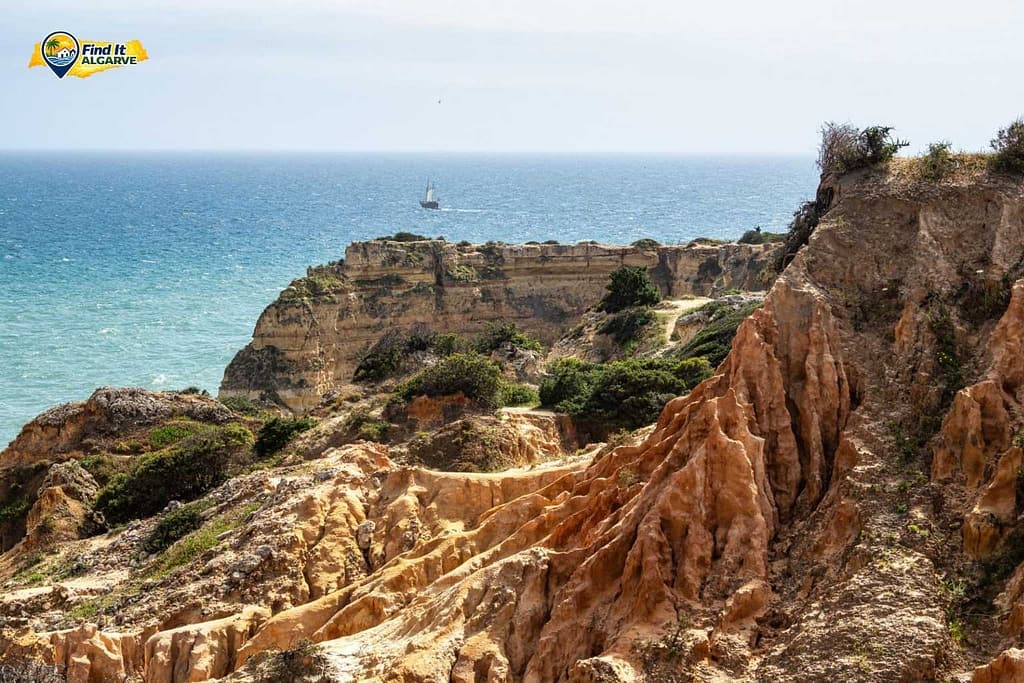
The Algarve’s climate and landscape make it an excellent destination for outdoor activities.
Hiking trails run along dramatic cliff tops offering views across the Atlantic. Cyclists can explore quiet countryside roads lined with almond and orange trees. Kayakers paddle through sea caves and along hidden coves.
One of the most famous hiking routes is the Rota Vicentina, a network of trails that runs along Portugal’s southwest coast through some of the most unspoiled landscapes in Europe.
Surfers from around the world also travel to the Algarve’s west coast where powerful Atlantic waves create excellent surf conditions.
Even simple activities such as coastal walks or exploring nature reserves can become unforgettable experiences thanks to the region’s scenery.
Markets, Food and Local Culture
Another wonderful way to experience the Algarve is through its food and markets.
Local markets sell fresh seafood, vegetables, olives, cheeses and traditional Portuguese pastries. Visiting these markets offers a glimpse into everyday life in the region.
Restaurants often specialise in freshly grilled fish such as sardines, sea bream and sea bass. Cataplana, a traditional seafood stew cooked in a copper pot, is another regional favourite.
Many restaurants are located along the coast or within marina areas, creating beautiful settings for long dinners overlooking the ocean.
Food culture is deeply connected to Algarve lifestyle and plays an important role in the relaxed rhythm of life in southern Portugal.
The Algarve Lifestyle
One of the reasons visitors fall in love with the region is the Algarve lifestyle itself.
Life here moves at a slightly slower pace. Long lunches, evening walks along the marina and weekends spent at the beach are all part of everyday life.
For many visitors, these experiences eventually spark a deeper question: what would it be like to live here?
The region has become increasingly popular with international residents who are drawn to the climate, safety and quality of life.
Anyone exploring that possibility often begins by researching practical topics such as housing. A good place to start is the guide on Property for Sale in the Algarve: Complete Buying Guide, which explains how the local property market works.
But even if relocation is not part of your plans, the Algarve remains one of Europe’s most enjoyable regions to explore.
From beaches and boat trips to historic towns and outdoor adventures, there are always new experiences waiting to be discovered.
Outdoor Adventures Across the Algarve
One of the biggest reasons people fall in love with the Algarve is how easy it is to live an outdoor lifestyle. With more than 300 days of sunshine each year and mild winters, the region encourages people to spend time outside almost every day.
Unlike many holiday destinations that rely purely on beaches, the Algarve offers an incredible variety of landscapes that make outdoor exploration genuinely exciting. You will find dramatic cliffs overlooking the Atlantic, peaceful countryside filled with citrus groves, rolling hills dotted with traditional villages and protected nature reserves filled with wildlife.
This diversity means that outdoor adventures are among the most popular things to do in the Algarve, whether you enjoy hiking, cycling, surfing, kayaking or simply exploring nature.
Many visitors begin their Algarve experience along the famous coastal cliffs. Walking trails stretch along large sections of the coastline and provide breathtaking views over the Atlantic Ocean. These paths often lead to hidden beaches and small fishing villages that would be impossible to discover by car.
The famous Seven Hanging Valleys Trail is one of the best known coastal walks in the region. This route runs along the cliffs between Praia da Marinha and Praia de Vale Centeanes and offers some of the most spectacular coastal scenery in Portugal.
Along the way you pass rock arches, hidden coves and towering limestone formations shaped by thousands of years of wind and waves. It is easy to understand why many travellers consider this one of the most unforgettable Algarve outdoor activities.
In the western Algarve, the landscape becomes even more rugged and dramatic. The coastline here faces the open Atlantic Ocean and the cliffs are higher and wilder than in other parts of the region.
This area is also famous for its surf beaches. Places like Arrifana, Amado and Sagres attract surfers from around the world who come to ride powerful Atlantic waves.
Even if you have never surfed before, many local surf schools offer beginner lessons. Watching experienced surfers tackle the waves from the cliffs above is also an incredible experience in itself.
The Natural Beauty of the Ria Formosa
While the western Algarve is known for its dramatic cliffs, the eastern Algarve offers a completely different natural landscape.
Here you will find the Ria Formosa Natural Park, a protected lagoon system that stretches for more than 60 kilometres along the coast.
This beautiful area is made up of barrier islands, salt marshes, lagoons and small fishing communities. It is one of the most important wildlife habitats in Portugal and home to a wide variety of bird species.
Visitors often explore the Ria Formosa by boat or kayak, slowly gliding through calm waters surrounded by nature.
Birdwatchers travel here from all over Europe to observe flamingos, herons and many other migratory birds that stop in the lagoons during their journeys.
The islands within the Ria Formosa are also home to some of the Algarve’s most peaceful beaches. Tavira Island, for example, offers a long stretch of sand that feels almost untouched by tourism.
This calm, natural environment makes the eastern Algarve feel very different from the busier resort areas further west.
Travellers who want to explore these quieter towns often find the regional guides helpful, such as Best Towns in the Eastern Algarve, which highlights some of the most charming places in this part of the region.
Exploring the Algarve Countryside
Many visitors never venture far from the coast, but the Algarve countryside offers a completely different side of the region.
Just a short drive inland, the landscape changes dramatically. Rolling hills replace coastal cliffs, and traditional villages appear where time seems to move more slowly.
Small whitewashed houses sit among cork oak forests and orange groves. Narrow country roads wind through valleys where farmers still grow olives, almonds and figs.
This rural Algarve is perfect for exploring by car or bicycle.
Many travellers enjoy driving through these quiet areas simply to discover hidden villages and local cafés that rarely appear in travel guides.
Silves is one of the most interesting inland towns. Once the capital of the Algarve during the Moorish period, it still features an impressive red sandstone castle overlooking the town.
Walking through the streets of Silves feels like stepping back into history. The castle walls provide panoramic views across the surrounding countryside and the Arade River.
Nearby villages such as Monchique sit higher in the hills and offer cooler temperatures during the summer months.
The town of Monchique itself is known for its narrow streets, traditional houses and mountain scenery. From the nearby peak of Foia, the highest point in the Algarve, visitors can see views stretching all the way to the Atlantic Ocean.
These inland areas show a quieter and more traditional side of Algarve life that many visitors find fascinating.
Golf in the Algarve
The Algarve is internationally famous for golf, and many people travel to southern Portugal specifically to play on its courses.
With more than 40 golf courses spread across the region, the Algarve has become one of Europe’s top golfing destinations.
The combination of excellent course design, beautiful scenery and year-round sunshine makes golfing one of the most popular activities in the Algarve.
Many courses are located close to the coastline and offer incredible ocean views while you play.
Vilamoura is particularly well known for its golf resorts and championship courses. Golfers from around the world visit the area each year to play on courses such as the Dom Pedro Old Course and the Victoria Course.
The golf resorts here often include luxury hotels, spas and marina restaurants, creating a very different atmosphere from the traditional towns further east.
This mix of modern resorts and traditional villages is part of what makes the Algarve such an interesting region to explore.
Water Parks and Family Attractions
The Algarve is also an excellent destination for families, offering a wide range of attractions for children and adults alike.
Water parks are especially popular during the hot summer months when temperatures can reach well above 30 degrees Celsius.
Several large water parks are located throughout the region and provide a full day of entertainment with slides, wave pools and relaxation areas.
Some of the most well known parks include:
- Slide and Splash near Lagoa
- Aqualand in Alcantarilha
- Krazy World Zoo
- Zoomarine marine park near Albufeira
Zoomarine is particularly famous and combines water attractions with animal shows and beach areas. Visitors can watch dolphin performances, enjoy water slides or relax in large swimming lagoons.
These attractions make the Algarve one of the most family-friendly destinations in southern Europe.
Exploring the Algarve’s Marina Towns
Another enjoyable way to experience the Algarve is by visiting its marina towns.
Many coastal towns feature large marinas filled with yachts, restaurants and waterfront cafés. These areas often become lively gathering places in the evening when people come to walk along the water and enjoy dinner with a view.
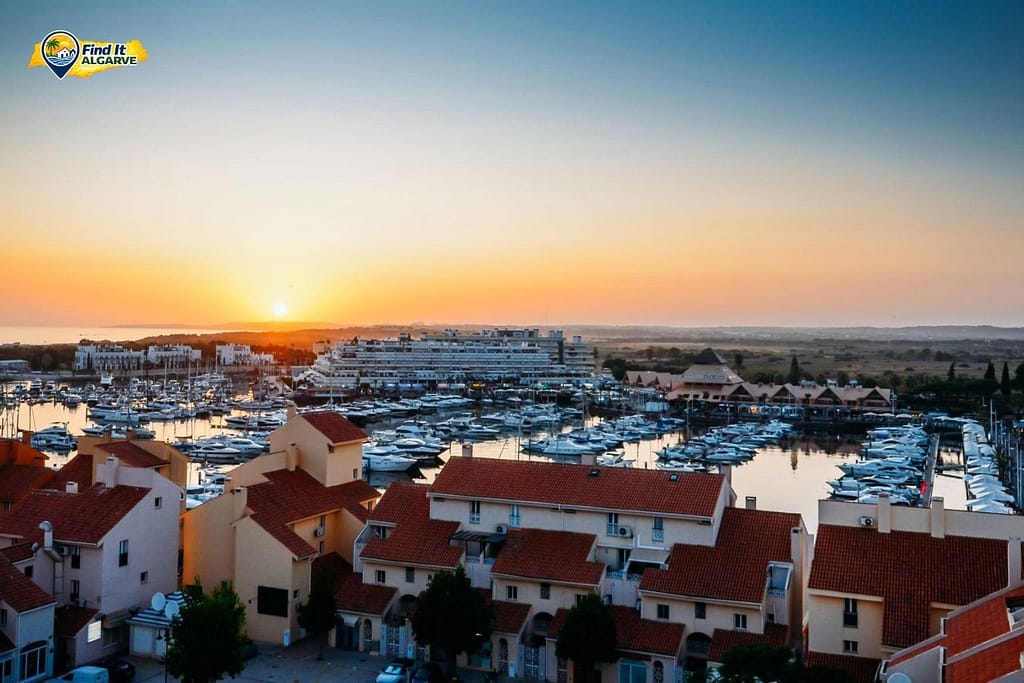
Vilamoura Marina is one of the most impressive in the region. Surrounded by colourful buildings, restaurants and shops, it creates a vibrant atmosphere day and night.
Visitors can watch luxury yachts arriving from across Europe while enjoying a drink at one of the many outdoor terraces.
Lagos Marina offers a slightly more relaxed atmosphere but still provides a lively waterfront area filled with restaurants and boat tours.
From these marinas, visitors can join sailing trips, dolphin watching tours or coastal cruises.
Even if you are not planning a boat trip, simply walking along the marina in the evening is one of the most enjoyable ways to experience Algarve nightlife.
How Exploring the Algarve Often Leads to a Bigger Decision
Many people first visit the Algarve simply looking for sunshine, beaches and relaxation.
But after spending time exploring the towns, countryside and coastal landscapes, some visitors begin to realise that the region offers much more than just a holiday experience.
The relaxed lifestyle, friendly communities and excellent climate make it easy to imagine living here permanently.
It is no surprise that the Algarve has become one of Europe’s most popular relocation destinations.
Travellers who begin thinking about making the move often start by learning more about daily life in the region. A useful place to begin is the guide on Living in the Algarve: What Life is Really Like, which explains what everyday life looks like for residents.
Others become curious about the practical side of relocating, such as visas, property and local communities. For those questions, the article Moving to the Algarve: Complete Relocation Guide offers a helpful overview of the process.
Some visitors also begin exploring the housing market and discovering what types of homes are available in the region. If you are curious about this aspect, the guide on Property for Sale in the Algarve: Complete Buying Guide explains how the property market works and what buyers should know.
For now, however, most visitors simply enjoy exploring the Algarve’s incredible variety of landscapes, activities and towns.
From coastal adventures and historic villages to marinas and countryside drives, the region offers something new to discover every day.
Things to Do in Faro Algarve
Faro is the capital of the Algarve and the gateway for most visitors arriving in southern Portugal. Faro Airport receives flights from across Europe, yet surprisingly many travellers pass through the city without stopping to explore it.
This is a mistake, because Faro offers a fascinating combination of history, culture and natural beauty. Unlike some of the Algarve’s resort towns, Faro has a more authentic Portuguese atmosphere and a rich heritage that dates back centuries.
The heart of the city is the Cidade Velha, or Old Town. This historic district is surrounded by ancient stone walls and can be entered through a large arched gateway that leads into a quiet square filled with cafés and orange trees.
Walking through the Old Town is one of the most enjoyable things to do in Faro. Narrow cobbled streets wind between traditional buildings, small museums and beautiful churches.
One of the most striking landmarks is Faro Cathedral, which stands proudly in the main square. Visitors can climb the tower for sweeping views across the city and the nearby Ria Formosa lagoon.
Faro is also the best place to explore the Ria Formosa Natural Park. This unique coastal lagoon system stretches for around 60 kilometres and contains a series of barrier islands, salt marshes and waterways filled with wildlife.
Boat tours depart regularly from Faro Marina and take visitors across the lagoon to peaceful islands such as Ilha Deserta and Ilha do Farol. These islands feature long stretches of sand and crystal clear water, offering a completely different beach experience from the dramatic cliffs found in the western Algarve.
Because Faro combines historic charm with access to beautiful nature, it has become increasingly popular with travellers who want to experience a more authentic side of the Algarve.
Things to Do in Vilamoura Algarve
Vilamoura is one of the Algarve’s most modern and luxurious destinations. Built around a large marina filled with yachts from across Europe, the town has a very different atmosphere from the historic fishing villages found elsewhere in the region.
The marina itself is the centre of activity in Vilamoura. Restaurants, cafés and bars line the waterfront, creating a lively atmosphere throughout the day and evening.
Walking along the marina is one of the most relaxing things to do in Vilamoura. Visitors can watch sailing boats arriving from across the Atlantic while enjoying dinner on a terrace overlooking the water.
Boat tours also depart from the marina, offering dolphin watching trips, coastal cruises and sunset sailing experiences.
Vilamoura is also famous for golf. The area contains several world-class golf courses that attract players from around the globe. Beautiful fairways wind through pine forests and luxury resorts, creating one of Europe’s most prestigious golf destinations.
Beyond golf and marina life, Vilamoura also offers beautiful beaches. Praia da Falésia stretches for several kilometres and is famous for its dramatic red cliffs that glow in the evening sunlight.
The combination of beaches, golf courses and marina nightlife makes Vilamoura one of the Algarve’s most popular destinations.
Albufeira Things to See
Albufeira is one of the Algarve’s best known towns and attracts visitors from all over Europe.
Originally a small fishing village, Albufeira has grown into one of the region’s most lively destinations. Today it combines historic charm with energetic nightlife and beautiful beaches.
The Old Town is the most charming part of Albufeira. Whitewashed buildings, narrow streets and colourful shops create a relaxed atmosphere during the day.
Restaurants spill out onto the streets and terraces overlooking the ocean provide the perfect place to enjoy lunch or dinner with a view.
Nearby beaches are some of the most scenic in the Algarve. Praia dos Pescadores sits right below the town and is surrounded by cliffs and colourful fishing boats.
Further along the coast you will find Praia de São Rafael and Praia da Coelha, both known for dramatic rock formations and crystal clear water.
In the evening the town becomes more energetic as visitors head towards the famous nightlife district known as the Strip.
This lively area is filled with bars, clubs and entertainment venues that attract travellers looking for a vibrant nightlife experience.
The contrast between historic charm and modern entertainment is what makes Albufeira such a unique destination.
Exploring Hidden Algarve Villages
While the Algarve’s major towns attract the most attention, some of the most memorable experiences come from visiting smaller villages scattered across the region.
These places often preserve traditional Portuguese culture and provide a glimpse into the slower pace of life that has existed here for generations.
Villages such as Alte, Cacela Velha and Ferragudo offer peaceful streets, small cafés and stunning views across the surrounding landscape.
In Cacela Velha, for example, visitors can stand beside the small white church overlooking the Ria Formosa lagoon and enjoy one of the most breathtaking viewpoints in the Algarve.
Ferragudo, located near Portimão, is another charming fishing village filled with colourful houses and traditional restaurants serving freshly caught seafood.
Exploring these smaller locations often becomes one of the most rewarding things to do in the Algarve.
Exploring Different Regions of the Algarve
The Algarve is not a single uniform destination. Instead, it can be divided into several regions, each with its own character and atmosphere.
The western Algarve is rugged and dramatic, with high cliffs and powerful Atlantic waves. Towns like Lagos and Sagres attract surfers and travellers looking for adventure.
The central Algarve is more developed and includes popular destinations such as Albufeira and Vilamoura. This area offers lively resorts, marinas and entertainment.
The eastern Algarve is calmer and more traditional. Wide sandy islands and peaceful towns create a relaxed atmosphere that many visitors prefer.
If you want to explore these different areas in more detail, the regional guides such as Best Towns in the Western Algarve, Best Towns in the Central Algarve and Best Towns in the Eastern Algarve provide helpful insights into the character of each part of the region.
Why So Many Visitors Consider Living in the Algarve
For many travellers, visiting the Algarve becomes more than just a holiday experience.
After exploring the coastline, towns and countryside, some people begin to realise that the region offers a quality of life that is difficult to find elsewhere in Europe.
Warm weather, beautiful landscapes and a relaxed pace of life create an environment that many people find incredibly appealing.
This is one reason why the Algarve has become such a popular relocation destination.
Visitors who begin thinking about staying longer often start researching what everyday life in the region is really like. If you are curious about this, the article Living in the Algarve: What Life is Really Like provides a detailed look at daily life in southern Portugal.
Others begin exploring the practical side of relocation such as visas, residency and property. For those topics the guide Moving to the Algarve: Complete Relocation Guide explains the steps involved in making the move.
Many visitors also become curious about housing opportunities and the property market. If you are interested in that aspect, the article Property for Sale in the Algarve: Complete Buying Guide explains how buying property works in the region.
For now, however, most visitors simply enjoy exploring the incredible variety of towns, beaches and landscapes that make the Algarve such a special place.
And with so many experiences available, it is easy to understand why the region continues to attract travellers from all over the world.
Seasonal Activities in the Algarve
The Algarve is often described as a year-round destination, and in many ways that description is accurate. With more than 300 days of sunshine each year, the region offers opportunities for outdoor activities in every season.
However, each time of year brings a slightly different atmosphere and set of experiences.
Understanding the seasons can help visitors decide when to travel and what activities to prioritise during their stay.
Spring in the Algarve
Spring is one of the most pleasant times to explore the Algarve. Temperatures are warm but not too hot, and the countryside becomes green and colourful after the winter rains.
This is the perfect season for hiking, cycling and exploring traditional villages inland.
Wildflowers bloom across the hills and the orange groves begin to fill the air with a sweet citrus scent.
Many travellers who visit in spring say it is the best time to discover the Algarve’s natural beauty without the busy summer crowds.
Summer in the Algarve
Summer is the Algarve’s busiest season. Long sunny days and warm ocean temperatures attract visitors from across Europe.
This is when the beaches are at their most lively and when coastal towns are filled with activity.
Boat trips, water sports, beach restaurants and evening markets create a vibrant holiday atmosphere.
Many festivals also take place during summer months, celebrating Portuguese music, food and local traditions.
Autumn in the Algarve
Autumn is often considered one of the region’s hidden gems.
The weather remains warm well into October, but the crowds begin to fade and the coastline becomes quieter.
This is a wonderful time for exploring towns, visiting markets and enjoying relaxed dinners overlooking the ocean.
Winter in the Algarve
Even during winter the Algarve remains far milder than most of Europe.
Temperatures often sit between 15 and 20 degrees Celsius, making outdoor activities such as walking and golfing very comfortable.
This season is particularly popular with long-term visitors and people exploring the region before deciding whether to relocate permanently.
Food Experiences in the Algarve
Food plays an important role in Algarve culture, and exploring the region’s cuisine is one of the most enjoyable experiences for visitors.
Many restaurants specialise in freshly grilled seafood. Sardines, sea bream and sea bass are often caught locally and served the same day.
Another famous regional dish is cataplana, a seafood stew cooked in a traditional copper pot with clams, fish, tomatoes and herbs.
Markets are also a wonderful place to experience local food culture.
Markets in towns like Faro, Olhão and Loulé sell fresh fish, vegetables, olives, cheeses and traditional Portuguese pastries.
Walking through these markets gives visitors a glimpse into everyday life in the Algarve.
Day Trips Across the Region
The Algarve is relatively small, which makes it easy to explore multiple towns and landscapes during a single visit.
Many travellers enjoy taking day trips to discover different parts of the region.
For example, you might spend one day exploring the dramatic cliffs around Lagos, another wandering through historic Faro, and another visiting the peaceful islands of the Ria Formosa.
Travelling between towns also allows visitors to see how different each part of the Algarve feels.
The west offers rugged coastline and powerful Atlantic waves.
The central Algarve provides lively marinas and resort towns.
The east offers calmer landscapes and traditional fishing communities.
The Algarve Lifestyle
Perhaps the most memorable part of visiting the Algarve is the lifestyle itself.
Life here moves at a slower pace. Long lunches, evening walks along the marina and relaxed beach days become part of everyday life.
It is easy to see why so many visitors return year after year.
For some travellers, the experience eventually raises a bigger question: what would life be like if they stayed longer?
The Algarve has become one of Europe’s most popular relocation destinations, attracting people from across the UK and northern Europe.
Why the Algarve Continues to Attract Visitors
The Algarve offers a rare combination of natural beauty, warm climate, welcoming communities and diverse experiences.
Whether you are exploring dramatic coastal cliffs, enjoying fresh seafood in a marina restaurant or wandering through traditional villages inland, the region offers countless opportunities for discovery.
That diversity is what makes the Algarve so special.
For some visitors it remains the perfect holiday destination.
For others it becomes the place where they decide to begin a new chapter of life.
Either way, exploring the many things to do in the Algarve is the best way to understand why this remarkable region continues to capture the imagination of travellers from around the world.
Frequently Asked Questions
What are the best things to do in the Algarve?
The Algarve offers a huge variety of activities including relaxing on beautiful beaches, exploring historic towns, taking boat trips along the cliffs, hiking coastal trails and visiting natural parks such as the Ria Formosa. Many visitors also enjoy golfing, water parks, surfing and discovering traditional villages inland.
Is the Algarve worth visiting?
Yes, the Algarve is considered one of the best destinations in Europe. The region combines stunning coastline, warm weather, historic towns and a relaxed lifestyle. Visitors can enjoy beaches, outdoor adventures, cultural experiences and excellent Portuguese food all in one region.
What is the most beautiful place in the Algarve?
The Algarve has many beautiful locations, but Praia da Marinha, the cliffs around Lagos and the islands of the Ria Formosa are often considered among the most scenic areas. Traditional towns such as Tavira and coastal villages like Ferragudo also offer stunning views and charming architecture.
How many days do you need in the Algarve?
Most visitors spend between four and seven days exploring the Algarve. This allows enough time to visit several beaches, explore towns such as Faro, Lagos or Albufeira, take a boat trip along the cliffs and experience local food and markets.
What are the best outdoor activities in the Algarve?
Popular outdoor activities include coastal hiking, surfing on the west coast, kayaking through sea caves, cycling through the countryside and boat trips along the dramatic cliffs. The Algarve’s mild climate makes outdoor exploration possible throughout most of the year.
What towns should you visit in the Algarve?
Some of the most interesting towns include Faro for its historic old town, Lagos for its coastal scenery and maritime history, Tavira for its traditional charm and Vilamoura for its marina and golf resorts. Each part of the Algarve offers a slightly different atmosphere.
When is the best time to visit the Algarve?
Spring and autumn are often considered the best times to visit because the weather is warm and the crowds are smaller. Summer is ideal for beaches and water sports, while winter offers mild temperatures that are perfect for golf and exploring the region.
Is the Algarve good for families?
Yes, the Algarve is an excellent destination for families. The region offers safe beaches, water parks, boat tours, wildlife parks and many outdoor activities suitable for children. Many resorts and towns are designed to be family friendly.
A Good Starting Point
The Algarve is a region that rewards curiosity. At first glance it may seem like a place defined mainly by sunshine and beaches, but the more time you spend exploring, the more layers you begin to discover.
From dramatic cliffs and hidden coves to historic towns and peaceful countryside villages, the Algarve offers an incredible variety of experiences within a relatively small area. One day you might be exploring sea caves by boat, the next walking through a centuries-old town square or enjoying fresh seafood overlooking a marina.
This diversity is one of the reasons the Algarve continues to attract travellers from across Europe and beyond. It offers the perfect balance between natural beauty, outdoor adventure and relaxed lifestyle.
For many visitors, discovering the region gradually becomes more than just a holiday experience. After exploring the beaches, towns and countryside, some people begin to imagine what life here might actually be like.
The Algarve offers a lifestyle that combines outdoor living, warm weather and welcoming communities. Whether you are visiting for a short trip or spending longer exploring the region, there is always something new to discover.
From peaceful coastal walks to lively marina towns and traditional villages inland, the Algarve provides a unique mix of experiences that continue to draw people back year after year.
The best way to understand the Algarve is simply to explore it slowly, enjoy the atmosphere and experience the region for yourself.
For anyone curious about southern Portugal, discovering the many things to do in the Algarve is a good starting point.